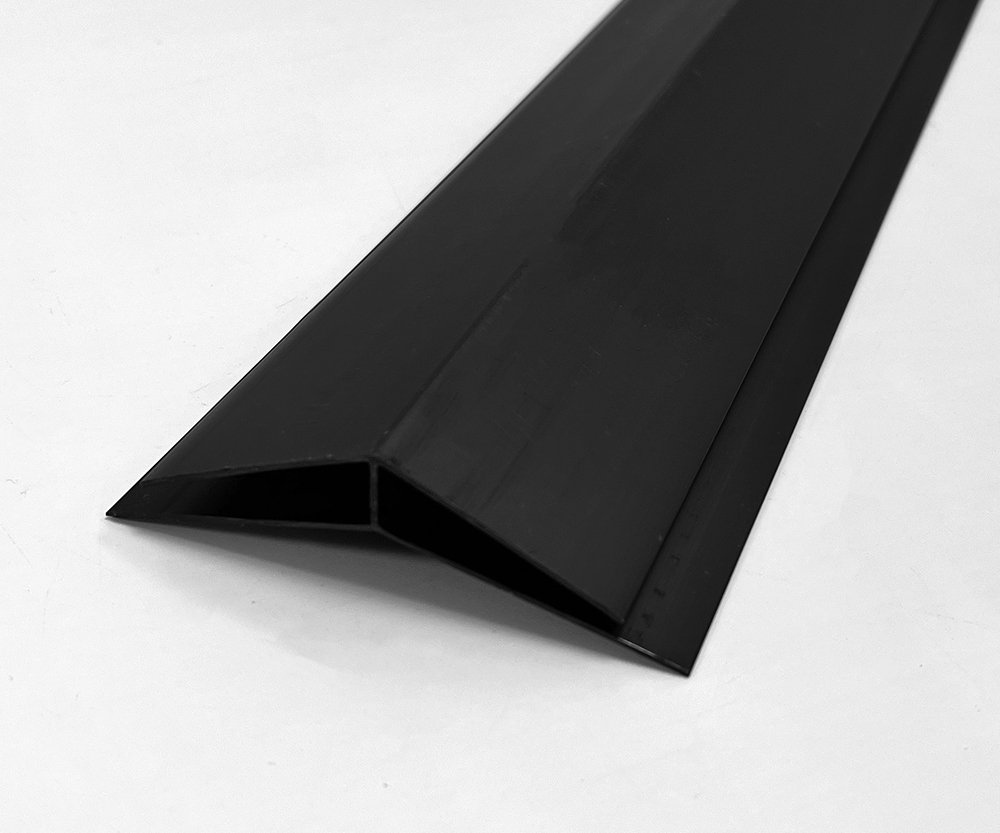
Liner Panels and Trim for Metal Buildings in Wyoming
Powell-area farms ship sugar beets, barley, pinto beans and beef, and the buildings that handle that product get bumped by loaders, washed down with hoses and scraped by livestock. A bare girt wall with insulation showing behind it does not last long in that kind of work. A liner panel is the finished interior surface on the inside of the wall, and it turns a metal building into a place where you can store feed, work on equipment or hang tools without chewing up the insulation.
Trim is the other half of the story. It is the formed metal that covers the corners, the eaves, the rakes, the door and window openings and the base of the wall, and it keeps wind, snow and water out of the places where panels meet. Poor trim is where most metal building leaks start, even when the panels themselves are fine. We buy trim to match the panel profile and finish, and we install it in sequence with the wall, not as an afterthought.
Together, liners and trim finish a building. They are a small share of the package price and a large share of how the building holds up after ten winters.
What goes in and where
On the interior side, we install liner panels from the floor up to a chosen height, or the full wall height, with base angles and cap trim that protect the edge. Liner can be a light-gauge steel panel in a plain white finish, a heavier panel for impact areas, or a smooth surface for wash-down rooms. Where only part of the wall needs protection, such as the lower six feet of a livestock or equipment bay, we use a partial liner and leave the rest of the wall open.
On the exterior, we install base trim, corner trim, gable and eave trim, door and window jamb trim, ridge caps, gutters and downspouts as specified. Trim is cut to length and fastened with sealant or butyl tape at every lap. We check that every piece is oriented to shed water outward and that fastener spacing and sealant follow the manufacturer's instructions. If you are adding insulated metal panels, the trim package changes, and we cover that in the design.
Where liners earn their keep
Agriculture is the biggest user. Cattle ranching remains the primary industry around Lusk, and a machine shed, calving barn or equipment bay there takes a beating. Our agricultural buildings work includes liners that stand up to livestock and equipment. For feed storage, we can use a smooth, easy-to-clean liner that resists moisture and dust. Agribusiness operators also use liners in sorting and packing spaces.
Storage operators use liners to keep unit walls looking clean and to protect insulation in climate-controlled sections. A row of heated units needs a durable surface between tenants, and our work for self-storage operators often includes liner panels. Shops, garages and fleet buildings use them too, since a clean white liner brightens the interior and cuts lighting cost.
How we install them
We plan the liner and trim at the design stage. The girt spacing, the base detail and the door openings all affect how the liner goes in. At install, we start from a plumb line, fasten each panel with the specified screws, and keep the seams tight. For trim, we start at the corners and work along each run, overlapping pieces in the direction that sheds water.
We sequence the work to protect the envelope. Exterior trim goes on in step with the wall panels, and interior liner follows once the building is dry. That order prevents damage to finished surfaces and keeps rain out of the insulation. Cuts and field-forming are done carefully, since the cut edge of a coated panel is where rust can start if we do not seal it.
What affects the cost
Gauge and finish are the main variables. A heavier panel resists dents and abuse and costs more. A premium coating resists chalking and fading. Partial liner costs less than full height, and plain trim costs less than custom-formed flashing. Number of openings matters, since each door or window adds jamb trim and sealing time.
Sunlight is a quiet cost driver at high elevations and on sunny sites. Cody sees about 300 days of sunshine a year, and trim finishes there take sun for most of the calendar. Factory finishes fade slowly, but cheap coatings can chalk early. We recommend a finish that fits the site and match it between panels and trim, so no piece looks different after a few seasons.
Details that avoid callbacks
Sealing is the key. Sealant at laps, closures at ribs and gaskets at fasteners keep wind-driven snow out. In snow country, an eave or gable detail that lets drifted snow melt into the wall can ruin insulation by spring. We lay out the trim so water has a path out of the wall system, not into it.
We also think about what happens at the base. Concrete curbs, grade and the way snow piles against the wall all affect trim choices. A raised curb with a base angle keeps panels out of splashing water and snow, which prolongs their life. For self-storage facilities with many unit doors, the trim layout is tighter and takes more care, and the same applies to a site near Powell or Lusk where wind and animals both test the building. We can also supply self-storage metal buildings with liner and trim as part of one package.
Finish the building right
Tell us how the building will be used and what the walls will face. We will price liner and trim by the foot, with the right gauge and finish for the work.
Common Questions
Do I need a liner panel in a metal building?
Not always. A basic storage building can work with exposed framing and insulation behind a thin facing. Any use with animals, wash-downs, equipment traffic or customers is better with a liner. It protects the insulation and gives you a surface you can clean.
What is the difference between liner and wall panel?
A wall panel is the weather side of the building. A liner is the interior surface. They can be the same profile or different. Liner is often lighter and cheaper because it does not carry weather loads.
Can trim be repaired without replacing it?
Small dents and scratches can be touched up. Torn, rusted or loose trim should be replaced, since it is a path for water. We replace trim as part of a re-skin or repair project when we find damaged pieces.
How do you keep trim from blowing off in wind?
We follow the fastener spacing in the manufacturer's instructions, use the right closure strips and seal laps. Wind lifts edges, so eave and rake trim get extra attention. We design to the local wind speed, which varies across the state.
Should the liner go in before or after the building is heated?
Install it after the building is closed in and the slab is dry, but before the heat is turned up hard. Cold steel and warm, damp air meet at the panel face, and a liner keeps that moisture off the insulation. We also leave a small gap or a vented detail at the base so any moisture that does get behind the wall can dry out instead of sitting there all winter.
Related
Ready to talk about your project?
Request a Project Review